Unsanitary Slaughterhouses in Taraba Raise Public Health Concerns, Says L-PRES
The Livestock Productivity and Resilience Support (L-PRES) Project has raised alarm over the rising public health risks posed by unsanitary slaughterhouses and poor meat inspection standards in Taraba State.
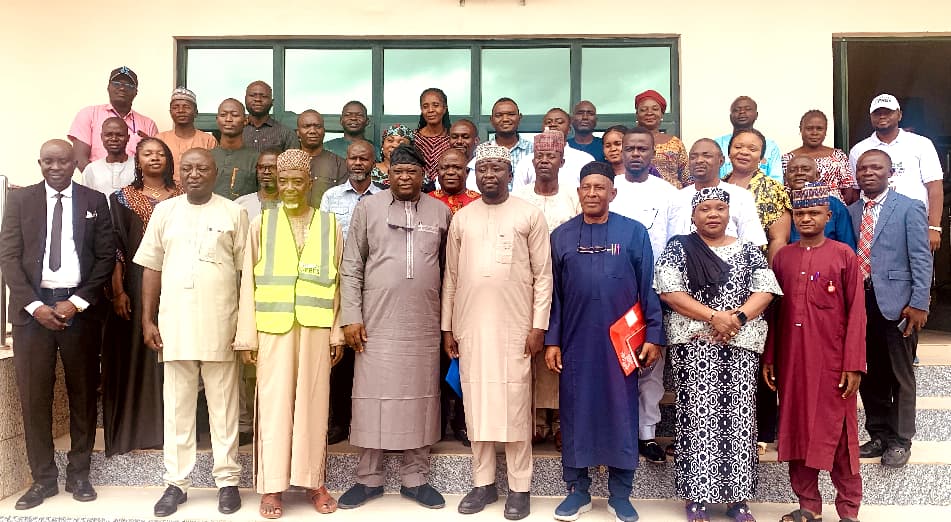
Speaking at a capacity-building workshop for meat inspectors and abattoir managers in Jalingo on Tuesday, Hananiah Albert, the State Coordinator for the World Bank-supported project, emphasized the urgent need to improve hygiene practices in the meat processing chain to prevent outbreaks of zoonotic diseases.
“The safety and quality of the meat we consume depend heavily on what happens before, during, and after slaughter. This is why meat inspection must be taken seriously,” Albert stated.
“Abattoirs must be properly managed in line with national and international best practices to curb diseases like tuberculosis, anthrax, and brucellosis.”
Albert explained that meat inspection and abattoir management are not just routine tasks—they are critical to food safety, disease prevention, and public health protection.
He praised the Taraba State Government’s ongoing livestock reforms and said the training aimed to equip frontline workers with improved methods for hygienic handling and processing of meat.
“This training is a deliberate effort to empower meat inspectors, veterinary officers, and abattoir workers with modern techniques that ensure consistency, safety, and efficiency across the state,” he added.
Also speaking at the workshop, Professor Nicholas Namessan, Taraba State Commissioner for Agriculture and Food Security, underscored the importance of food hygiene in light of the state’s growing population and rising meat consumption.
“With increasing urbanization, meat demand is rising. But this also means we have greater responsibility to ensure that what our people eat is wholesome, hygienic, and free from disease,” Namessan said.
He urged participants to take their roles seriously, calling them key players in protecting the public’s health.
Namessan also reaffirmed the state’s commitment to expanding the cattle value chain through strategic partnerships like the one with L-PRES.
Held at Galaxy Spot in Jalingo, the event drew participation from abattoir managers and meat inspectors across all 16 local government areas of Taraba State.


Comments
Post a Comment